

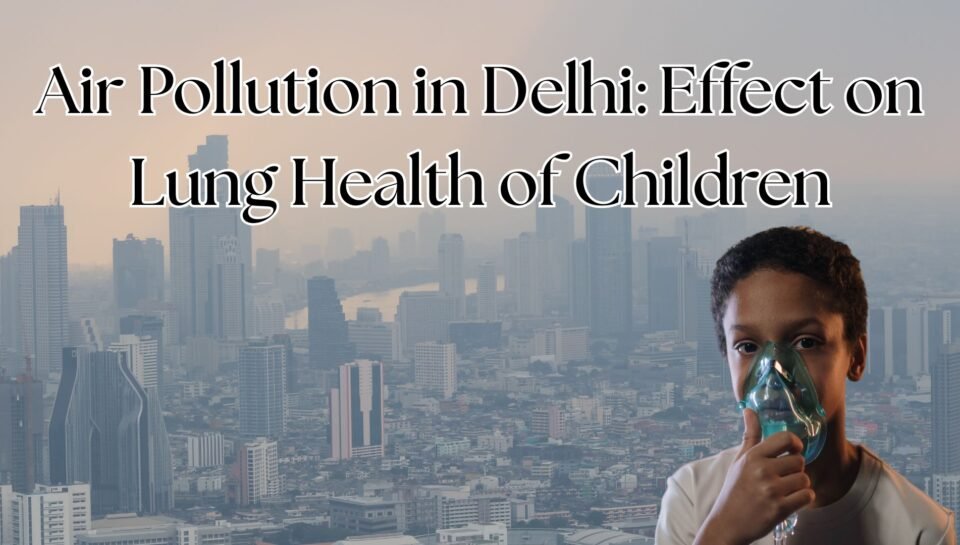

Delhi’s air quality has become a global concern. The primary contributors to air pollution in the city include vehicle emissions, construction activities, burning of crop residue, and industrial emissions. During the winter months, the situation worsens, as the stubble burning in nearby states like Punjab and Haryana significantly contributes to a spike in air pollution levels.
According to the World Health Organization (WHO), the air in Delhi is one of the most polluted cities in the world, with PM2.5 levels regularly exceeding the recommended safety threshold by several times. These fine particles, less than 2.5 microns in diameter, can penetrate deep into the lungs and bloodstream, causing severe health issues. With their developing lungs and immune systems, children are especially susceptible to the harmful effects of air pollution.
How Air Pollution Affects Children’s Lungs in Delhi
1. Increased Incidence of Respiratory Diseases
Children in Delhi are exposed to higher concentrations of pollutants, such as PM2.5, NO2, and ozone, which irritate the airways and cause inflammation in the lungs. This leads to a higher risk of developing asthma, chronic bronchitis, and other respiratory illnesses. Research has shown that children in Delhi are more likely to develop asthma than those living in less polluted areas. Symptoms such as coughing, wheezing, and shortness of breath are common among children living in the city.
2. Reduced Lung Development
Children’s lungs are still developing, which makes them more vulnerable to the harmful effects of air pollution. Exposure to high levels of PM2.5 and other pollutants in Delhi can impair lung growth and reduce lung capacity. This means that children growing up in Delhi may experience reduced lung function later in life, increasing their risk of chronic respiratory diseases as adults.
3. Weakened Immune System and Increased Susceptibility to Infections
Pollutants in the air, particularly particulate matter and ozone, can weaken the immune system, making children more susceptible to respiratory infections. In Delhi, children often experience frequent colds, prolonged troublesome virals, bronchitis, and other respiratory infections due to the constant exposure to toxic air. These infections can further damage the lungs and lead to long-term health problems.
4. Long-Term Health Risks
In addition to respiratory issues, prolonged exposure to air pollution can have long-term consequences. Studies have linked air pollution to a range of health conditions, including cardiovascular disease, neurological impairments, and even cognitive development issues in children. Air pollution can also contribute to premature aging of the lungs, which may manifest as a higher risk of lung diseases like COPD (Chronic Obstructive Pulmonary Disease) in adulthood.
How to Recognize if Your Child Is Affected by Air Pollution
As a parent in Delhi, it’s essential to stay vigilant and recognize the signs that air pollution may be impacting your child’s health. Common symptoms of air pollution exposure include:
- Frequent coughing or wheezing
- Shortness of breath or difficulty breathing
- Fatigue or decreased energy levels
- Persistent respiratory infections or prolonged troublesome cough
- Cough or breathlessness during physical activity
If your child exhibits any of these signs, it’s crucial to consult with a Pediatric Pulmonologist. Early intervention can prevent further damage to their lungs and help manage symptoms more effectively.
To know more about the effects of pollution on health, watch this video:
https://youtu.be/jgeU6TakSnc?si=vVPt7y6fSurFxT9a