


Can We Treat the Cause of an Allergy?
Does your child frequently experience sneezing, a runny or blocked nose, itchy eyes or recurrent wheezing? Do these symptoms return as soon as allergy medicines are stopped?
Antihistamines, nasal sprays and inhalers are the most effective treatment options for controlling allergy symptoms. However, they do not change the underlying tendency of the immune system to react to allergens.
Allergen immunotherapy (AIT) offers a different approach. It is a disease-modifying treatment that aims to retrain the immune system to become less sensitive to specific allergens. Unlike conventional allergy medicines, its benefits may continue even after treatment has been completed.
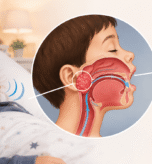
Sublingual immunotherapy (SLIT) is a convenient way of delivering allergen immunotherapy using specially prepared drops or tablets placed under the tongue.
1. What Is Sublingual Immunotherapy and How Does It Work?
In allergic individuals, the immune system mistakenly identifies harmless substances such as house dust mites, pollens, animal dander or moulds as threats.
On exposure to these allergens, the immune system triggers an inflammatory response involving IgE antibodies and cells such as mast cells. This leads to symptoms including sneezing, nasal congestion, itching, watery eyes and, in some patients, allergic airway inflammation.
SLIT works by introducing carefully measured doses of the specific allergen responsible for the patient’s allergy through the tissues under the tongue.
With repeated exposure, the immune system gradually develops tolerance to that allergen. This involves increased regulatory immune activity, changes in antibody responses and reduced allergic inflammation.
The objective is not simply to suppress symptoms but to modify the underlying allergic response.
2. How Is SLIT Given?
Sublingual immunotherapy is available in two forms:
- Sublingual tablets: Specially formulated tablets containing a standardised allergen preparation. They are placed under the tongue and allowed to dissolve.
- Sublingual drops: Measured doses of an allergen preparation administered under the tongue using a dropper or dispenser.
The dose and treatment schedule depend on the specific product. Most treatment schedules involve regular, often daily, administration at home after the initial supervised dose.
For allergic rhinitis, an adequate course of immunotherapy generally requires at least 3 years when the aim is to achieve sustained benefits after treatment stops.
SLIT is not a home remedy or a herbal preparation. It is a prescription-based medical treatment using specific allergen extracts.
3. Who Can Benefit from Allergen Immunotherapy?
Immunotherapy is particularly useful for patients who:
- Have moderate-to-severe allergic rhinitis despite appropriate allergy medicines and allergen avoidance.
- Experience recurrent symptoms that interfere with sleep, school, daily activities or quality of life.
- Have selected cases of allergic asthma associated with a specific allergen, particularly house dust mite allergy.
Not every patient with a positive allergy test needs immunotherapy. The allergen identified on testing must correlate with the patient’s symptoms and exposure history.
A specialist assessment is essential to determine whether immunotherapy is appropriate.
4. What Are the Benefits of Sublingual Immunotherapy?
The most important advantage of allergen immunotherapy is that it targets the underlying allergic disease rather than providing temporary symptom relief.
Clinical studies have demonstrated several benefits:
1. Better Control of Allergy Symptoms
SLIT can reduce sneezing, nasal itching, runny nose, nasal congestion and associated eye symptoms in appropriately selected patients.
2. Reduced Requirement for Allergy Medicines
Patients may gradually require fewer antihistamines and other symptomatic medicines as their allergy control improves.
3. Improved Quality of Life
Better symptom control can translate into improved sleep, school attendance, concentration and participation in everyday activities.
4. Benefits in Selected Patients with Allergic Asthma
Evidence supports the use of specific allergen immunotherapy preparations as an additional treatment in selected patients with allergic asthma. Depending on the allergen and product, treatment may improve asthma control and reduce medication requirements or exacerbations.
However, evidence for asthma outcomes varies by age, allergen and formulation. SLIT should not be considered a routine treatment for every child with asthma.
5. Potential for Long-Term Remission
Unlike conventional allergy medicines, immunotherapy can provide sustained benefits even after treatment is discontinued. This is one of its most important advantages.
5. Does Immunotherapy Provide Long-Term Relief?
Yes. Disease modification and sustained clinical benefit are the key reasons to consider allergen immunotherapy.
The European Academy of Allergy and Clinical Immunology (EAACI) recommends a minimum of three years of treatment when the objective is to achieve long-term benefits after discontinuation.
The evidence is particularly strong for grass pollen immunotherapy, with clinical benefits demonstrated for several years after completing treatment.
For house dust mite allergy and other allergens, the strength of evidence for sustained post-treatment benefit varies according to the specific product and treatment duration.
It is important to understand that immunotherapy does not guarantee a permanent cure. Many patients experience lasting improvement, while some may have a recurrence of symptoms over time.
The response depends on the allergen, the preparation used, treatment adherence and individual immune response.
Can Immunotherapy Prevent Asthma in Children?
This is an important area of research. Studies suggest that a three-year course of immunotherapy may reduce the risk of developing asthma in children and adolescents with moderate-to-severe pollen-induced allergic rhinitis.
However, this preventive benefit has been demonstrated for selected pollen-related conditions and should not be generalised to all allergens or every child with allergic rhinitis.
6. Is Sublingual Immunotherapy Safe?
SLIT has a generally favourable safety profile when prescribed appropriately and taken under medical supervision.
The most common side effects are local reactions, particularly during the initial weeks of treatment:
- Itching or tingling under the tongue.
- Mild swelling of the lips or mouth.
- Throat irritation.
- Occasional gastrointestinal discomfort.
These reactions are usually mild and tend to settle with continued treatment.
Can SLIT Cause a Severe Allergic Reaction?
Yes, although serious systemic allergic reactions are uncommon and occur less frequently with SLIT than with injectable immunotherapy. The possibility of a severe reaction, including anaphylaxis, cannot be completely excluded.
The first dose should be administered under medical supervision, with an observation period and appropriate counselling about possible reactions. Patients should know when to stop treatment and seek medical attention.
Immunotherapy should not be initiated in patients with uncontrolled asthma.
Appropriate patient selection and regular follow-up are essential for safety.
7. SLIT vs Allergy Injections: Which Is Better?
Allergen immunotherapy can be administered either under the tongue (SLIT) or through injections under the skin (SCIT).
Both approaches can modify the immune response and provide clinical benefits.
| Feature | SLIT | SCIT |
|---|---|---|
| Administration | Tablets or drops under the tongue | Injections under the skin |
| Frequency | Usually daily | Repeated clinic visits, depending on treatment phase |
| Convenience | Most doses taken at home | Requires regular clinic visits |
| Common reactions | Mouth or throat irritation | Redness or swelling at injection site |
| Systemic reactions | Uncommon | More frequent than with SLIT |
| Long-term benefits | Established for selected products and allergens | Established for selected products and allergens |
Is SLIT More Effective Than Injections?
Not necessarily. Neither route is universally superior. Effectiveness depends on the allergen, the specific preparation and the evidence supporting that product.
SLIT is often preferred by families because it avoids repeated injections and is more convenient for long-term treatment. The choice should be individualised.
8. Frequently Asked Questions
Is SLIT a Steroid?
No. SLIT is not a steroid. It contains a specific allergen preparation that aims to modify the immune response. It works differently from nasal or inhaled corticosteroids.
Can SLIT Replace My Child’s Asthma Inhaler?
No. SLIT is an additional treatment for selected patients with allergic asthma. Prescribed controller inhalers should never be stopped or reduced without medical advice. Any reduction in asthma medication should be based on sustained clinical control and a doctor’s assessment.
How Soon Will I Notice an Improvement?
Some patients notice improvement within the first few months. However, the response is gradual and varies with the allergen and product. Consistent treatment over a longer period is necessary to achieve sustained benefits.
Will My Allergy Disappear Permanently After Treatment?
Not necessarily. Immunotherapy offers the possibility of long-term remission, but it cannot guarantee a permanent cure. Some patients maintain improvement for years, while others may experience a return of symptoms.
Is SLIT Suitable for Every Child with Allergies?
No. Treatment is recommended only when the clinical history, allergy testing and exposure pattern identify a relevant allergen for which an evidence-supported immunotherapy preparation is available.
The Take-Home Message
Allergen immunotherapy represents an important advancement in the treatment of allergic diseases.
While antihistamines, nasal sprays and inhalers help control symptoms, immunotherapy aims to modify the underlying allergic response. It can improve symptom control, reduce medication requirements and, in appropriately selected patients, provide benefits that persist beyond the treatment period.
For children with persistent allergic rhinitis and selected cases of allergic asthma, immunotherapy offers an opportunity to treat the disease at its source rather than repeatedly treating its symptoms.
However, successful treatment depends on accurate diagnosis, selection of the right allergen, use of an evidence-supported preparation, adequate treatment duration and regular specialist follow-up.
References
- EAACI Guidelines on Allergen Immunotherapy: Allergic Rhinoconjunctivitis. Allergy. 2018;73(4):765–798.
- EAACI Guidelines on Allergen Immunotherapy: House Dust Mite-Driven Allergic Asthma. Allergy. 2019;74(5):855–873.
- EAACI Guidelines on Allergen Immunotherapy: Prevention of Allergy. Pediatric Allergy and Immunology. 2017;28(8):728–745.
- American Academy of Allergy, Asthma & Immunology (AAAAI). Sublingual Immunotherapy: Patient Information and Clinical Resources.
Medical Disclaimer: This article is intended for educational purposes and does not replace individual medical advice. Allergen immunotherapy should be prescribed and monitored by an appropriately qualified healthcare professional.